
-
Find Services

-
Find Agencies
-
GEO Services
- Expertise
- Technical AI SEO Audit
- AI Content Optimization
- AI-First Content Strategy
- Entity SEO Optimization
- GEO Strategy & Consulting
- AI-Powered Keyword
- Schema & Structured Data
- Perplexity Ranking Optimizatio
- Answer Engine Optimization
- Claude Search Optimization
- ChatGPT Search Optimization
- Gemini Search Optimization
- SEO Services
- Social Media Marketing
- SEM Services
- Mobile App Marketing
- PPC
- Advertising
- Branding
- Digital Marketing
- Media Planning & Buying
- Video Production
- Public Relations
- Browse All Agencies
-
GEO Services
- Submit Reviews
- Research & Surveys


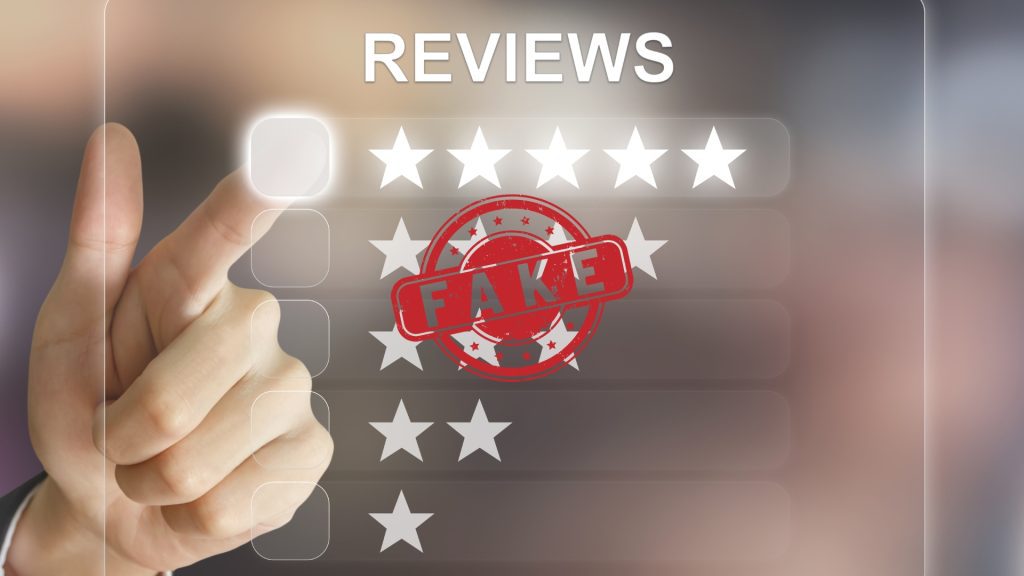
How Fake Reviews Hurt Businesses and Ways to Spot Them
In the digital world, trust is everything. Whether a company is selling tech solutions or marketing services, online reviews often shape the first impression potential clients have. For many businesses, one five-star review can make a difference between winning or losing a lead. However, the rise of fake reviews has started to distort this credibility. What was once a reliable reflection of customer experience is now a gray area filled with fabricated ratings and manipulated feedback. This makes it harder for genuine companies to stand out and easier for misleading ones to climb the ranks undeservedly. The growing concern around authenticity has made people look for a trusted business listing platform where real experiences matter more than manufactured praise. The Real Cost of Fake Reviews Fake reviews do not only mislead customers. They also hurt legitimate businesses in multiple ways. When competitors flood platforms with artificial ratings, they manipulate visibility and trust. A brand that has worked hard to build a positive reputation can suddenly find itself overshadowed by fabricated feedback. These misleading ratings erode public confidence in online platforms. Customers who realize they have been deceived are less likely to trust any reviews in the future. This loss of faith harms the entire ecosystem. Companies lose genuine traffic, potential leads, and credibility because of actions they did not even take. For small and mid-sized firms, the damage can be even more severe. A few fake negative reviews can discourage potential clients and reduce conversions overnight. It can take months, sometimes years, to rebuild the same level of trust. Why Fake Reviews Are So Common The pressure to appear trustworthy online has created a market for fake feedback. Some sellers and agencies pay individuals to leave positive reviews or even use automated systems to generate them in bulk. Others post negative reviews about competitors to drive traffic toward their own listings. With social media visibility tied closely to perceived reputation, businesses often chase high ratings without focusing on genuine performance. This trend has made platforms vulnerable to manipulation. Unfortunately, not all review sites have strict verification processes, which allows fake content to slip through easily. That is why more professionals now rely on a trusted business listing platform such as RightFirms, where authenticity is verified and monitored. It helps ensure that both service providers and clients operate in a transparent environment. The Impact on Customers and Market Trust Customers depend on online reviews to make informed choices. Whether they are hiring a digital marketing agency, a web developer, or a software partner, they expect accurate experiences from real clients. Fake reviews distort that perception and lead to poor decisions. When a business with inflated ratings fails to deliver, customers lose money, time, and confidence. Over time, this creates a ripple effect across industries. Genuine firms face skepticism, while unethical ones temporarily profit from deception. Moreover, fake reviews damage the integrity of entire marketplaces. Once users begin to question authenticity, even honest businesses face doubt. Restoring that trust takes consistent effort and transparent verification processes. How to Spot Fake Reviews Identifying fake reviews is possible when you know what to look for. There are several warning signs that suggest a review may not be genuine. 1. Overly Generic Language Fake reviewers often use vague, repetitive phrases such as “excellent service” or “great experience” without providing specific details. Genuine reviews usually describe particular interactions, challenges, or outcomes. 2. Unnatural Posting Patterns A sudden surge of five-star reviews within a short period can signal manipulation. Authentic feedback usually accumulates gradually as real customers share their experiences over time. 3. Lack of Reviewer History Check the reviewer’s profile. If they have reviewed only one business or have a pattern of leaving similar comments across unrelated industries, the feedback may not be credible. 4. Imbalanced Ratings If a business has mostly perfect ratings but very little written detail, it might be a red flag. Real customers tend to leave a mix of feedback, both positive and critical. 5. Repetition and Copy-Paste Content Repeated sentences, similar formatting, or nearly identical word choices can indicate that the reviews were written by the same person or generated by bots. How Trusted Platforms Maintain Review Authenticity A trusted business listing platform plays a key role in fighting fake reviews. Platforms like RightFirms use multiple verification layers to ensure authenticity. They verify user identities, confirm project details, and sometimes cross-check engagement between businesses and clients before publishing a review. Advanced algorithms also flag suspicious activity patterns, such as identical IP addresses or repetitive text structures. By enforcing these checks, trusted platforms protect both businesses and consumers. They create a transparent space where credibility becomes measurable. For companies, this means their hard-earned reputation stays intact. For customers, it ensures that every listed provider has been evaluated based on genuine experiences. The Role of Businesses in Upholding Authenticity While platforms are responsible for enforcing verification, businesses also play a part in maintaining ethical standards. Encouraging satisfied clients to share honest feedback, addressing negative reviews professionally, and avoiding shortcuts all contribute to long-term trust. Companies should also regularly monitor their online reputation. If fake reviews appear, reporting them quickly helps maintain integrity. Consistent communication with listing platforms or review sites ensures that misleading feedback is removed promptly. Businesses that operate transparently, deliver value, and welcome feedback will always build stronger credibility than those that rely on artificial tactics. Why RightFirms Stands Out RightFirms is built on the principle that trust drives business growth. The platform prioritizes authentic connections between service providers and clients. Every review is verified to ensure that it reflects a real experience, not an automated submission or a paid endorsement. By maintaining transparency and focusing on legitimacy, RightFirms serves as a trusted business listing platform where companies can showcase genuine performance. This reliability benefits both sides customers make informed decisions, and businesses earn recognition for real achievements. Restoring Integrity in Digital Reputation The future of online reputation management depends on authenticity. Fake reviews may create short-term visibility, but they damage long-term credibility. Businesses that commit to genuine feedback and transparency will stand out in an increasingly skeptical market. Choosing a trusted business listing platform like RightFirms is an important step in that direction. It provides a foundation where trust is measurable, feedback is real, and reputation is earned not fabricated. Building digital credibility is no longer about how many stars a business has. It is about whether those stars truly represent what customers experienced. Authenticity is not a marketing tactic. It is the backbone of sustainable business growth.

Top 10 Web Design Mistakes to Avoid for a Better User Experience
When it comes to building a website, the design can make or break its success. Even small web design errors can lead to poor user experience, high bounce rates, and lost business opportunities. So, whether you’re working on a personal project or developing a website for your business, it's crucial to avoid common mistakes that can negatively impact your site’s usability and performance. In this blog, we’ll explore the top 10 web design mistakes to avoid to ensure your website delivers the best possible experience for your visitors. 1. Slow Loading Speed Among the most common web design errors, slow loading time is a prominent one. Websites that take a long time to load frustrate users and often make them leave before even looking at the content. Google reports that 53% of mobile users abandon a site if it takes longer than 3 seconds to load. Avoid this by optimizing your website images, eliminating unused plugins, and perhaps using a content delivery network (CDN) to make your site faster. A faster website generally leads to better user experience and rankings in search engines. 2. Poor Mobile Responsiveness In today's world, most people browse the web on their smartphone or tablet rather than on desktop computers. A website that is not mobile friendly alienates a huge portion of your audience. This may very well be a huge mistake as your visitors will leave your website if they have to zoom or scroll horizontally to find content on your website. Responsive web design solves this problem. It will make the site adapt directly to multiple screen sizes to ensure better user experience on different devices. 3. Difficult Navigation Navigation is a key to a great user experience. If users are unable to find what they are looking for quickly, they may leave your site. Complicated menus, unclear labels, or too many options can confuse visitors. Your website should have a simple and intuitive navigation structure. Use clear and concise labels for menu items, and ensure that the most important pages are easy to access. A simple navigation system will lead to better engagement and enables users to find information faster. 4. Cluttered Interface A cluttered, overcrowded website will overwhelm the visitor and distract them from important information. Clear and simple web design should be at the forefront of every web design. Do not pack too many elements onto a page. Create a clean layout with enough white space to improve user experience. Use hierarchy effectively by contrasting colors and size to highlight the most important elements, such as calls-to-action (CTAs), so that visitors understand what to do next. 5. Unclear Call to Action (CTA) Calls-to-action are very critical to take users through in terms of making them purchase, signing up for the newsletter, or contacting them. Lack of or poorly worded CTA makes it among the worst website design mistakes. Make sure your CTAs stand out, are direct and intuitive. Use words in active voice like "Buy Now," "Get Started" or "Subscribe Today". Position CTAs on areas where they will easily view without cluttering up a page. 6. Not Prioritizing Accessibility Another major mistake in web design is not considering accessibility for people with disabilities. Websites that aren’t accessible to everyone can alienate a large audience and even result in legal issues. Follow web accessibility guidelines (WCAG) to ensure your website is usable for people with visual, auditory, and motor impairments. This includes things like adding alt text to images, ensuring good contrast for readability, and making sure your site works well with screen readers. 7. Using Too Many Fonts Fonts can help set the tone of your website, but using too many types will just give it a disjointed, chaotic look. Combining fonts can simply be distracting and make it harder for users to read your content. Use no more than two or three fonts. Select one for headings and another for body text, and ensure that they complement each other. A consistent font scheme makes your site look more professional and improves readability. 8. Ignoring SEO SEO is also something that is often left out of web design. But in reality, this is what drives traffic to your site. If your site is not optimized for search engines, it won't be found in the search results. Thus, potential visitors will never find it. Ensure that your website design is SEO-friendly with proper HTML tags, images optimized for faster loading, and keyword inclusion. Mobile optimization and clean, readable URLs also enhance better search engine rankings. 9. Overcomplicating Design with Flash Flash was once a thing in websites, but this is some of the many reasons not to use it anymore: it decreases your website's performance and its non-support by all devices from mobile phones on. There isn't much usability for those using the web today. Do not use Flash, but apply more to HTML5, CSS3, and JavaScript elements of interaction. These allow more seamless performance, faster loads, and greater compatibility than flash technology. 10. Lack of Consistent Branding Your website should be an expression of your brand identity, meaning it should use consistent colors, fonts, and imagery aligned with your brand. Inconsistent branding confuses visitors and hurts your credibility. Keep it consistent. Make a style guide on your website to keep the most essential elements in harmony as it would with the branding voice and aesthetic. Consistency also makes trust and recognition for your brand happen. Conclusion Building a website is more than just a technical process. It’s about creating a seamless and enjoyable experience for your visitors. By avoiding common web design mistakes like slow loading speeds, poor navigation, and unclear CTAs, you can ensure that your website is user-friendly, accessible, and effective. Remember, web design isn’t just about aesthetics—it’s about functionality and user experience. So, focus on simplicity, clarity, and usability, and your website will thrive. By staying clear of these web design errors, you’ll not only enhance user experience but also improve your chances of success online. If you want to avoid these pitfalls, partnering with a professional web design agency can help you create a website that meets the highest standards of design and functionality.