
-
Find Services

-
Find Agencies
-
GEO Services
- Expertise
- Technical AI SEO Audit
- AI Content Optimization
- AI-First Content Strategy
- Entity SEO Optimization
- GEO Strategy & Consulting
- AI-Powered Keyword
- Schema & Structured Data
- Perplexity Ranking Optimizatio
- Answer Engine Optimization
- Claude Search Optimization
- ChatGPT Search Optimization
- Gemini Search Optimization
- SEO Services
- Social Media Marketing
- SEM Services
- Mobile App Marketing
- PPC
- Advertising
- Branding
- Digital Marketing
- Media Planning & Buying
- Video Production
- Public Relations
- Browse All Agencies
-
GEO Services
- Submit Reviews
- Research & Surveys



How Listing Your Business Online Actually Gets You More Customers
You started a small business, you built a great product or service, and now you’re ready to get the word out. Maybe you've run some Facebook ads or maybe you just rely on word of mouth. Those are fine, sure, but if you’re not actively getting listed in online business directories. The digital equivalent of the phone book, but way more effective, you’re basically operating with one hand tied behind your back. It’s easy to overlook these listing platforms. You might think, "Who actually uses Yelp anymore?" or "Is Google Business Profile really that important?" Well, spoiler alert: they are absolutely crucial. These aren't just places to drop your name; they’re powerful, free tools for digital marketing for small businesses. They're how people find you when they're ready to buy, right now. Forget the fancy SEO talk for a minute. The real question is: How do business listing platforms help you actually get more work, more leads, and more money?Let's dive into the nuts and bolts of why this matters so much. Why You Need to Be Everywhere The thing about modern consumers is they search. A lot. And they rarely stick to just one place. When someone searches for "plumber near me" or "best coffee shop downtown," they are hitting a variety of sources: Google, Yelp, Bing Places, maybe specific industry sites. The magic of benefits of business listing platforms is that they increase your footprint across the internet. When your business is listed consistently on multiple platforms, you're boosting your chances of being seen exactly when a potential customer is looking for what you offer. This is what we call increased visibility, and frankly, it’s the bare minimum for staying competitive today. Think of it like setting up multiple welcome mats in front of your shop. The more places you’re visible, the more likely someone is to step inside. Simple as that. It's Not Just About Being Found; It’s About Looking Legitimate Let’s talk about trust. If I search for a service and your business profile is missing a phone number, or the hours are wrong, or maybe it’s just not there at all, I’m probably going to move on. Quickly. Having a complete, verified profile on platforms like Google Business Profile or industry-specific sites immediately tells a potential customer, "Hey, this is a real business. We're open. We're professional." That little stamp of legitimacy is huge for customer acquisition. When you’re listed properly, you look reliable. You look like you're actually open for business, which is, you know, kind of the whole point. The Local SEO Connection: Why Consistent Listings Matter You hear the term local SEO tossed around a lot, and it sounds complicated. It’s not, really. It’s just about making sure you show up when someone near you is looking for your services. And a massive part of this hinges on your online listings. Google, and other search engines, want to give the most relevant results. To do this, they check your NAP (Name, Address, Phone number) across the web. If your address on Yelp matches the one on your website, which matches the one on your Google profile, search engines feel confident in your business's location and identity. But if your hours are wrong on one site, or the phone number is different on another, it confuses Google. It says, "Hmm, is this business even active?" And when Google is confused, you lose. Maintaining consistency across all these online business directories is non-negotiable if you want to rank well in local searches. A Quick Word on Reviews Listings are also where people leave reviews. And let’s be honest, we all read them. Good reviews are like a digital handshake; they build instant rapport and trust. Even negative reviews, if handled correctly (by responding professionally and promptly), show potential customers that you are an engaged, responsible business owner. People trust peer recommendations far more than they trust advertising copy. Your listings provide that essential social proof. It’s basically free advertising from happy customers. So, How Do These Listings Actually Translate to Dollars? Okay, let's get back to the bottom line. How do these listings generate revenue? They Drive Direct Traffic: People click on Call or Get Direction or Website. These actions lead directly to sales. They Fill the Funnel: Listings catch people who are ready to buy now. They are high-intent customers. They Boost Your Visibility Everywhere: A strong profile on listing platforms often helps your website rank better too. It’s a rising tide that lifts all boats in your digital marketing strategy. If you’re running a small business, every minute counts. Managing these listings properly might feel like a chore, but it’s one of the highest-ROI activities you can do. It’s not just about setting up a profile; it’s about engaging with the digital world where your customers already live. Stop hiding your business and start showing up exactly where you need to be.
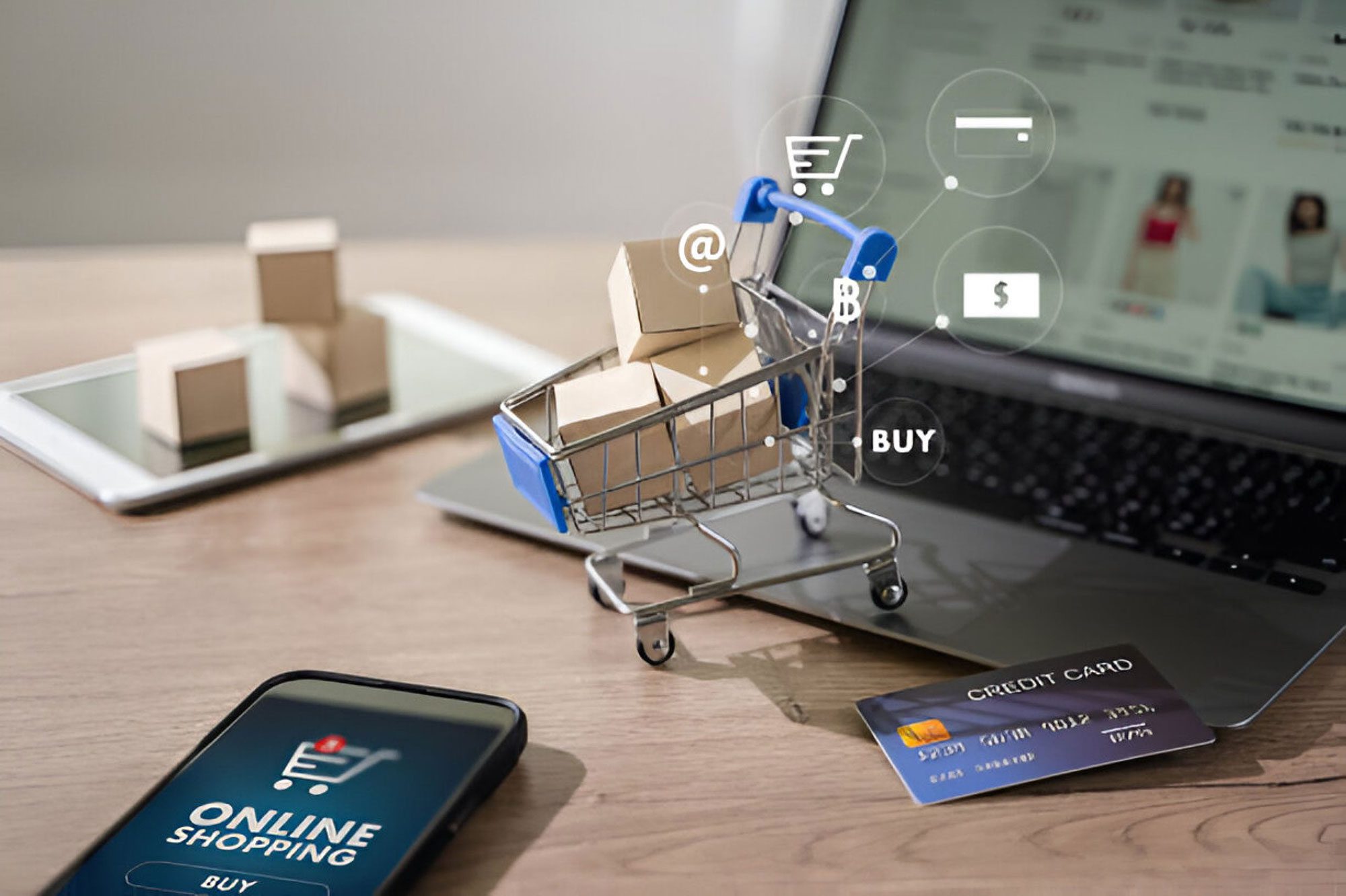
5 Essential Features Every eCommerce Site Needs
Building an eCommerce website is like setting up a physical store in a digital world. The difference? Your "storefront" must attract and engage visitors 24/7. To succeed, your site must have features that create an excellent customer experience, build trust, and make shopping seamless. In this blog, we’ll walk through five eCommerce features that every online store needs to thrive. Whether you're starting from scratch or looking to improve your website, these essentials will be your map towards success. 1. Mobile-Friendly Design: The Non-Negotiable In 2025, more than half of all eCommerce sales are made on mobile. A mobile-friendly design isn't nice to have, it's necessary. Your website needs to scale with screens of all shapes and sizes so that the visitor can browse, add products to their cart, and check out easily on his phone. Here's why: A better user experience: Buyers stay longer and navigate deeper. SEO benefit: Search engines reward mobile-friendly sites. More conversions: Seamless mobile experience translates directly into more sales. Use responsive design methodologies, and test your website on different devices. This means you won't miss out on sales because of a site that lacks great mobile functionality. 2. Intuitive Navigation: Guiding Customers Seamlessly Walk into a store without signs or directions. Frustrating, right? Your online store is not any different. Intuitive navigation ensures shoppers find what they're looking for without confusion. Online store essentials for reaching the correct landing page include: A clear menu with well-defined categories. A powerful search bar for quick product discovery. Breadcrumb trails so users can retrace their steps easily. Pro tip: Categorize your products to make sense logically. For instance, if you are selling shoes, you categorize them into men's, women's, and kids'. Intuitive navigation improves customer experience and keeps users from leaving in frustration. 3. Secure Payment Options: Building Trust Safety will always be a top concern of e-commerce buyers. Online consumers require feeling secure over the sensitivity of their information. This confidence through safe payment solutions develops trust and boosts conversion rates. So, what's most important: Apply SSL certificates to your users' data. Have easy-to-spot payment brands including Visa, PayPal, Stripe Variety in payments, that would involve credit cards, e-wallets, Buy Now Pay Later. You should also display trust badges on your checkout page. These visual indicators help reassure the customer that their transactions are safe and reduce the rates of cart abandonment. 4. A User-Friendly Shopping Cart and Checkout Process This is where visitors become buyers. All your hard work can be undone if your shopping cart and checkout process are clunky or confusing. Optimize this step with these eCommerce features: A persistent cart that saves items for later. Clear pricing with no hidden fees. Guest checkout options for faster purchases. Make sure there is an ease in editing the cart, applying discounts, and shipping options. The simpler it is, the less likely the user will drop the cart. 5. Search Engine Optimization (SEO): Getting Found Online Even the best-designed site is worthless if nobody finds it. SEO helps you get more visitors by ranking higher in search engine results. It's a game-changer for eCommerce. Focus on these areas: Keyword optimization: Use terms like "affordable sneakers" or "eco-friendly bags" in your product descriptions. High-quality product pages: Write detailed descriptions, use clear images, and include customer reviews. Voice search readiness: Adapt to how people speak when searching, such as "best running shoes under $50." Stay updated on trends like AI-powered search and Core Web Vitals, as they directly impact your visibility. A well-optimized site ensures consistent organic traffic, reducing your dependency on paid ads. Wrapping Up These are the five eCommerce features of an excellent online store: Mobile-friendly design. User-friendly navigation. Secure payment options. Convenient shopping cart and checkout. Strong SEO practices. Each plays a part in adding more ease to the experience of your customer and selling them. Creating the perfect online store is a process by focusing on online store essentials rather than just building a website. For more information about optimizing an eCommerce website, go to Right Firms for the best developers and digital gurus on the net.